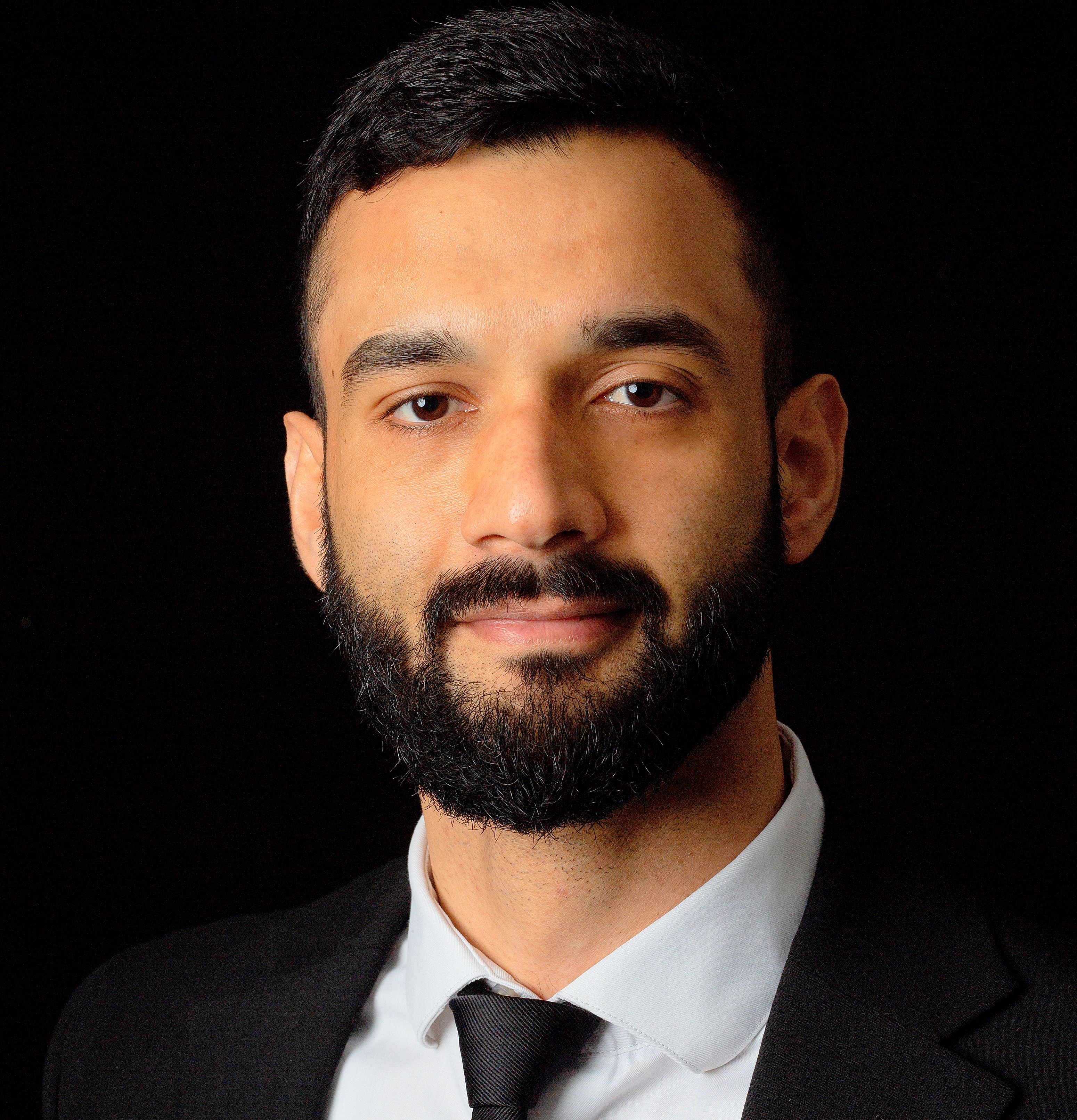
Dr. Jawad Fayaz
Senior Lecturer in Computer Science (Data Science & AI)
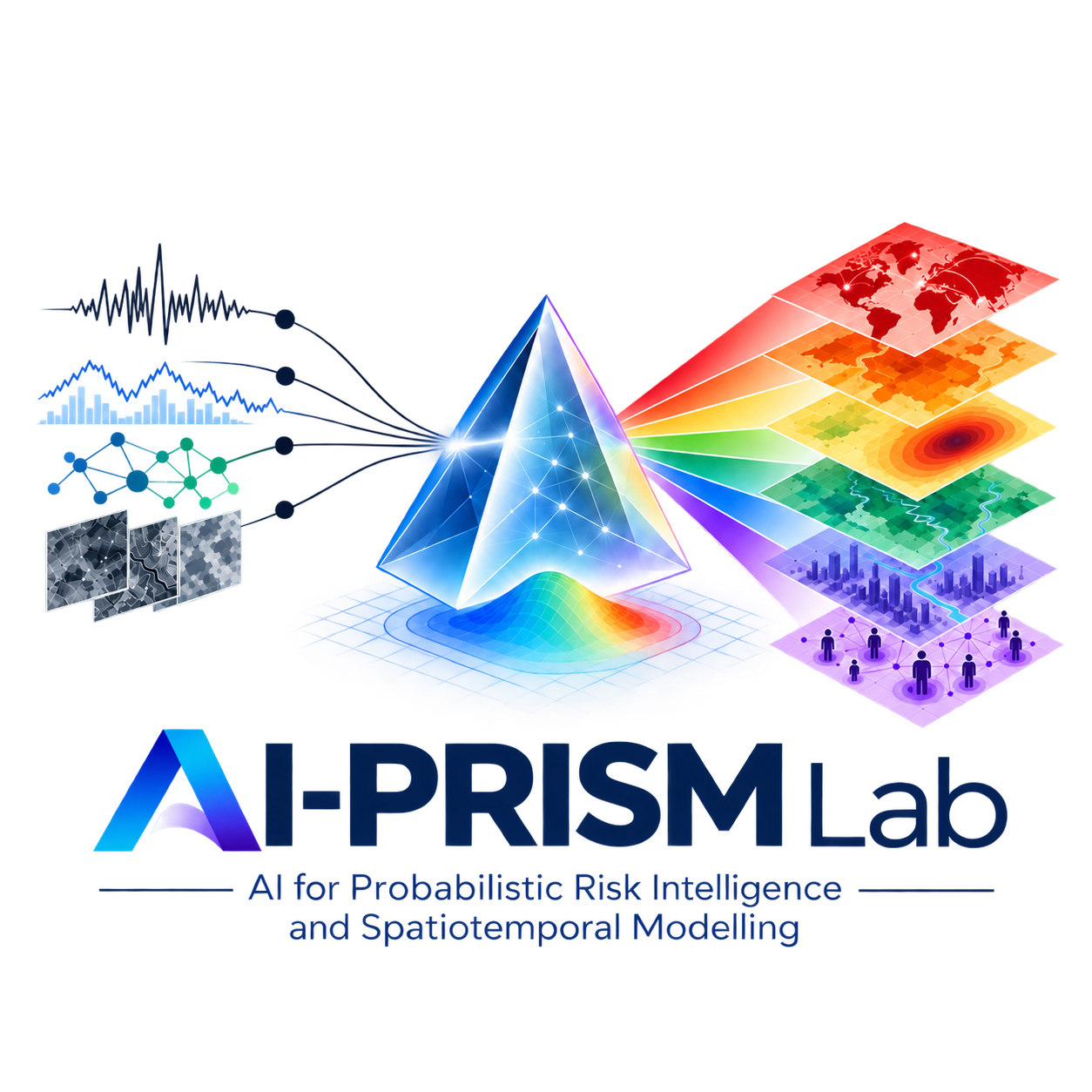
Director of AI-PRISM Lab
Associate Director of Centre for Environmental Intelligence
University of Exeter, UK
About
Dr. Fayaz is a Senior Lecturer in Computer Science (Data Science and Artificial Intelligence) at the University of Exeter, UK. His research lies at the intersection of machine learning, probabilistic modelling, and decision science, with a focus on spatiotemporal representation learning and predictive modelling in complex systems. He particularly develops computational frameworks for risk quantification, early warning, and sequential decision-making for extreme events—high-impact low-probability and high-probability long-horizon risks—in natural hazards, environmental systems, and critical infrastructure.
His expertise includes temporal and graph-based deep learning, representation learning, process-informed machine learning, and Bayesian inference, with a focus on designing scalable learning algorithms and interpretable models.
Currently, he is the Associate Director of the Centre for Environmental Intelligence and Programme Lead of the Google DeepMind Research Ready Programme at the University of Exeter, UK. He also serves as an Executive Board member of the UK Collaboratorium for Research on Infrastructure and Cities (UKCRIC) and is a Fellow of the Durham Institute of Research, Development, and Invention (DIRDI). In addition, he is a member of the editorial boards of three journals: i) International Journal of Disaster Risk Reduction, ii) Frontiers in Earth Science, and iii) Smart and Sustainable Built Environment.
Research Areas
Computational methods applied to risk, safety, and decision-making problems in complex physical systems.
- Graph Neural Networks
- Temporal Neural Networks
- Physics-Informed Machine Learning
- Representation Learning
- Reinforcement Learning
- Natural Hazards earthquakes, floods, heatwaves
- Environmental Systems weather, agriculture, land-use
- Infrastructural Systems water systems, wind turbines, buildings, bridges
Education
Post-Doctoral Research
 University College London, UK
Doctor of Philosophy (PhD)
 University of California, Irvine, USA
Master of Science (MS)
University of California, Irvine, USA
Contact
Kathleen Booth Building
University of Exeter
Exeter, UK, EX4 4RN
Connect